Reading Malcolm X After the Fight
This was not a return to a symbol, but an encounter with a man, shaped by fractured beginnings, evolving faith, and an unflinching acceptance of what it means to speak without compromise.

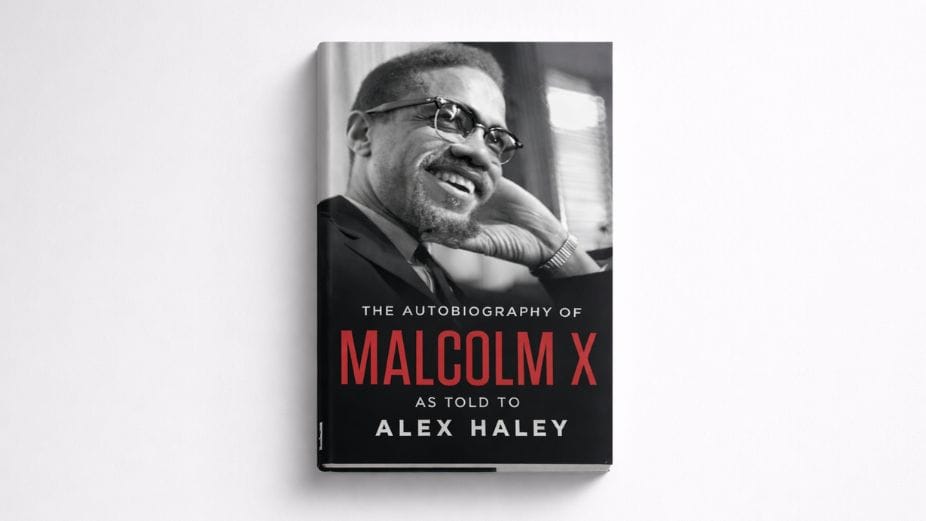
Reading this book was a profound journey for me, woven with personal threads from my own life.
Growing up, I devoured stories about Malcolm X, especially during the 2012 Maldives coup when I was an activist rebelling against an oppressive government. Back then, I’d wear my Malcolm X t-shirt to protests, seeing him as a symbol of defiance.
Revisiting his story years later, post-activism, offered a deeper lens. His childhood struggles, his fractured family, and the vibrant, complex communities that molded him brought a human depth I hadn’t fully grasped before.
His relationship with Islam, evolving from rigid conviction to a broader, more reflective faith, was especially enlightening and resonated with my own search for meaning.
What struck me most this time was Malcolm’s unflinching acceptance of death. He lived with a clarity that his path, speaking truth, challenging power, might end violently, yet he pressed on. Haley captures this beautifully. Malcolm wasn’t reckless, but resolute, prepared to die for what he believed.
His views on violence, too, were layered. He saw it as a tool of self-defense, a response to systemic brutality, not a first resort. He wrestled with its necessity, evolving from the fiery militancy of his Nation of Islam days to a more nuanced stance after his pilgrimage to Mecca.
This book doesn’t just chronicle a life; it digs into the psyche of a man who embodied courage, contradiction, and transformation. For anyone who’s ever fought for something bigger than themselves, it’s a haunting, inspiring read.